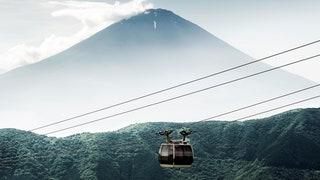
Experience the peaceful tranquility of the surf at Kamakura; unwind in the mountain bathhouses of Hakone; immerse yourself in the spiritual experiences the temples and shrines of Nikko offer. Embrace the peaceful ambience of Fuji Five Lakes with its stunning landscapes; or relish the beach life in the unspoiled beauty of the Izu Peninsula. Japan's impeccable transportation infrastructure grants you the luxury of reaching these captivating locations in one day, all by train. After those grueling outdoor escapades, winding down in a luxurious setting is a must. Consider staying in one of Tokyo's 5-star hotels. You'll surely find satisfaction in their excellent service and top-notch amenities here - http://www.tokyo-hotels-stay.com/en/5-stars/. However, if you're one who yearns for exploration, a rental car can provide a more personal, unrushed journey around Nikko's picturesque lakes. You can pick up your vehicle at Utsunomiya station, and while you're there, don't miss the chance to taste the popular local gyoza. Now, are you set to schedule your adventure? Continue reading to discover more amazing Tokyo day trips.
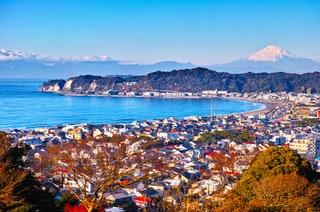
Exploring Kamakura & Enoshima
Keen to take a well-deserved break from Tokyo's bustling heart? Kamakura, with its proximity to the metropolis, is a perfect getaway for a day or even a few hours. The city is home to Yuigahama - an immensely popular beach, breathtakingly beautiful gardens, and grand temples that command one's attention. Kamakura's emblem is undeniably the Giant Buddha, housed in Daibutsu-den, a sight known globally.
A new wave of allure has swept upon Kamakura in recent years - the rippling surf that recalls the vibes of a 1970s Californian beach town, enticing guests from around the globe. And don't even get us started on the sushi; pure umami, fresh from the surrounding sea, awaits you on the serene islet of Enoshima, linked to Kamakura by a pedestrian-only bridge. This island has a charm all its own, venerated for its offerings from the sea and worth more than a quick visit during your day trip.
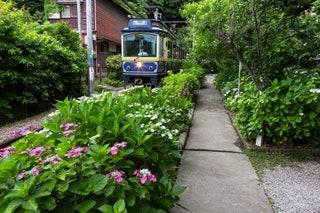
Riding the Vintage Enoshima Electric Train
Experience the charm of the past with the vibrant green Enoshima Electric Railway that serves as both a fun attraction and a means of travel between the towns of Kamakura and Fujitsawa. Established in 1922, this railway line has retained its traditional appeal over the years. On a day with clear skies, you are greeted with a spectacular view of Mount Fuji after departing from Inamura station. It's made all the more accessible with an all-day pass costing just 600JPY (approximately $5.50), allowing you the freedom to explore various stops. One highly recommended route is to stop at Enoshima for a delightful meal at Diego By The River and then take a short 20-minute stroll to the captivating Sea Candle lighthouse.
Another equally exciting pitstop is Hase, home to the majestic Kotoku-In's Giant Buddha, that's not to be missed. Travel all the way to Fujitsawa, a brief half-an-hour ride from Kamakura and enjoy some quality time at Shonan T-Site. From Fujisawa, it's a swift connection to a Tokyo-bound train for your return journey. Indeed, the Enoshima Electric Railway is not only an efficient transportation but also a historic symbol, epitomizing the region's rich cultural heritage and showcasing its timeless, scenic beauty.
Advertisement
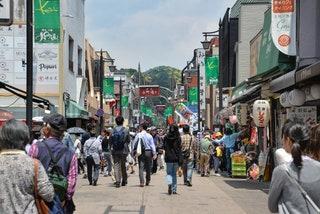
Explore Komachi Street
Welcome to Komachi Street, a vibrant hub just a stone's throw from Kamakura Station. This bustling avenue invites you to lose yourself in a mix of its food stalls, boutiques, and appealing dining options. One of the local treasures is a modest shop situated shy of the third bend on the right, famed for its korokke (Japanese croquettes). This culinary gem may be a challenge to find as its tucked away in an unassuming alleyway and shuts its door once the day's supplies have been sold. Their speciality is the Kamakura purple potato korokke - a must-try for foodies.
Nestled amongst the other great venues on Komachi Street, you'll find a quaint shop specializing in sweetened candied beans and an inventive vendor who offers shirasu taiyaki – a unique fish-filled pastry moulded into playful aquatic shapes. Notably, Kamakura is also a hotspot for craft beers, with a number of local concoctions for beer lovers to sample and enjoy. Don't forget to indulge in a delicious, TV-featured pudding that’s made quite a wave amongst dessert enthusiasts. Take a leisurely stroll across Komachi Street for a delightful blend of immersive shopping, food-tasting and slice-of-local-life experiences.
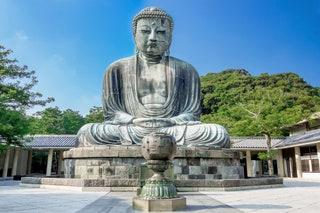
Kōtoku-inArrow
The draw here is the big Buddha (outdone only by the one in Nara). It's really big! And it's rare to see one of these outdoors (its temple was destroyed by a tsunami in 1492.) It's hollow, and you can go inside to see how it's made. Lots of visitors and street vendors outside make this more a tourist site than a spiritual one. Still, the Buddha is awesome in the true sense of the word.
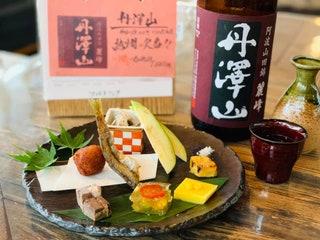
Enoshima KoyaArrow
$$
A modified fisherman's shanty located right where the canal meets the sea, Enoshima Koya specializes in chirashizushi: fresh-from-the-ocean fish and nori covering a bed of rice. The lunchtime set menu comes with a small soup and homemade pickles; pick the "makanai-don," which is topped with a delectable sesame-miso sauce. The food may be a couple hundred yen more than other spots in the area, but savvy travelers know it's worth the visit.
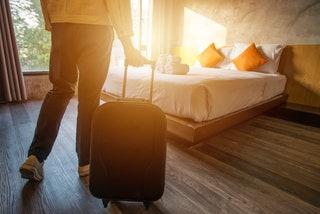
Kamakura PrinceArrow
$$
A downright steal in the off-season, this hotel's biggest selling point is the wow-factor view of Sagami Bay and Mount Fuji. It may not be the height of fashion that it was when it opened in 1995, but it's well-kept. Every single room has a view of the bay, and with a pool, golf course, and three restaurants, this is the kind of hotel you never have to leave. Lounge in your slippers and robe while you watch the sun set behind Mount Fuji.
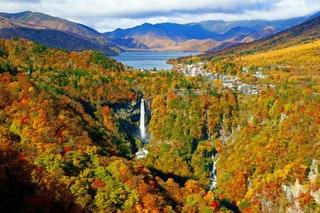
NIKKO
Located north of Tokyo, Nikko is often misunderstood. Not just a collection of ancient wooden temples anointed a World Heritage Site by UNESCO, the greater region presents an entire other ecosystem of onsen, forests, and falls for travelers to discover, and they’re usually quieter than fan-favorite Hakone. While young families flock to Japan’s big cities for professional opportunities, the villages of Tochigi prefecture—like Kinugawa and Kawaji—feel delightfully lost in time. A day at Lake Chuzenji is an absolute must, especially in autumn when the tall trees shimmer in iridescent yellows and oranges. Note that distances are longer here, so you’ll need a little more time to stitch together local trains and a few taxis, or you may want to consider a rental car.
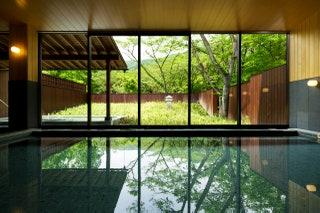
KAI KinugawaArrow
$$
While many of the KAIs in Hoshino's onsen ryokan portfolio are former hotels that have been souped up to luxurious standards, the Kinugawa property is a fresh build and embodies every tenet of the company's fervent dedication to all things traditionally Japanese: kaiseki multi-course meals, beautiful hot springs, plenty of outdoor space to take in the surroundings, and even classes about local ceramics and other artisan crafts. The private bath, fed by hot springs, is a delightful way to end the evening.
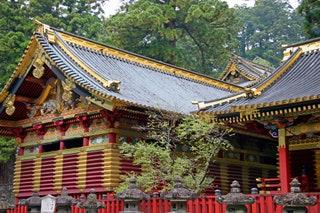
Nikko Tosho-guArrow
This Shinto shrine is famous for its carvings of the see no evil, hear no evil, speak no evil monkeys. In spite of the crowds—and it's always crowded—a sense of tranquility pervades this spiritual site. Maybe it's the breathtaking craftsmanship, or huge old growth trees, or something more intangible. Even if you don't think you're really into history or spiritual stuff, you're going to be blown away. Around the New Year it's extra crowded with people praying for good fortune.

Nikko CoffeeArrow
$
Slide the screens of an old merchant's house to find Nikko Coffee, an oasis for travelers who can't go a day without the perfect cup—even when they're taking a break from the big city and getting their fill of nature. This is a great refueling pit stop between Lake Chuzenji and the Nikko Tosho-gu shrines. And the coffee's great; here it's brewed and served with a ritualism not unlike Japanese tea ceremonies.
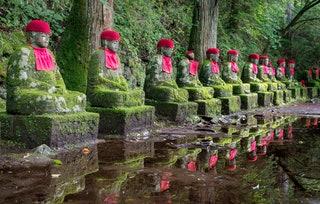
Kanmangafuchi AbyssArrow
A gorge formed by an ancient volcanic eruption, the Kanmangafuchi Abyss is a lovely riverside walk that takes in around 70 stone statues of Jizo, a bodhisattva—a Buddhist person who pursues Nirvana and helps other to do so as well. According to legend, every time you count a stone Jizo—the caretaker of wandering souls—you'll arrive at a different number; apparently they have the power to disappear. The site makes for pleasant walking and there's a botanical garden nearby.
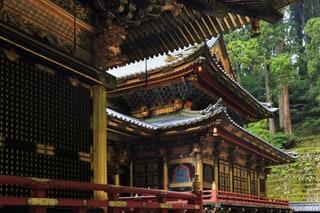
Rinno-jiArrow
If you're dedicated to seeing all the important sites at Nikko, this Buddhist temple is one of them. It's most famous for its three gold Buddhas, manifestations of Futsuran Shrine's three mountain spirits. Compared to Nikko's other sites, this one may be more interesting to people with an interest in Buddhism or Japanese History. If you have limited time, focus on Tosho-gu Shrine and strolling through the park.
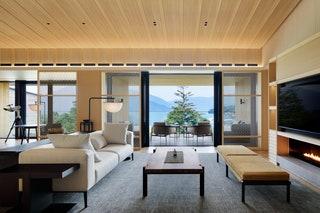
The Ritz-Carlton, NikkoArrow
$$$
A monolith of soothing black and gray tones crawling along Lake Chuzenji, the Ritz-Carlton, Nikko is leagues beyond any other accommodations in the entire region. Rooms come with either mountain or lake views (we solidly recommend overlooking the water) and the upmarket sophistication is on point with what you'd expect from the luxury brand. Rooms play with indoor and outdoor space; you can slide open the glass to make your balcony a part of your suite or keep the views in but the elements out when the weather turns.
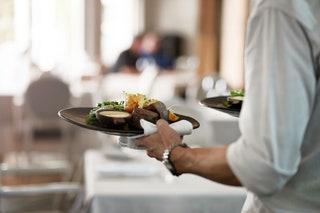
Yubatei MasudayaArrow
$
Breathe a sigh of relief and sit down with a peaceful view of the garden or mountains—you've escaped the frantic crowds of Nikko for a moment. Yuba (tofu skin), a local specialty, was historically made by the vegetarian monks of Nikko's temples. It's thicker and a little fluffier than Kyoto yuba. Try it lots of different ways in the lunch set here. Come here to slow down after a morning of visiting crowded shines and temples.
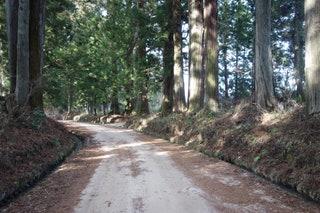
Nikko Suginamiki HighwayArrow
The 400-year-old Japanese cedars (sugi) stretch for 37 kilometers on the old highway into Nikko, making it the longest tree-lined street in the world. It's designated as a Historic Site and Special Natural Monument by the Japanese government. The easiest place to access a section of the road, if you're driving, is at Suginamiki Park, where there are restrooms and a soba restaurant.
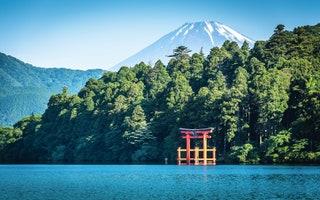
HAKONE
The area of Hakone has become synonymous with ryokans—Japanese inns that almost always include a multi-course dinner, a large bento-style breakfast, and access to a small hot spring, or onsen, where guests can bathe in mineral-rich water. There are dozens, if not over a hundred, to choose from, but the area has also become quite the art hub, with galleries galore and a great open-air museum. Pack light—you’ll only be wearing a yukata cotton robe at your ryokan—then, from Tokyo take the bullet train to Odawara, or the Romance Car to Hakone-Yamoto, and work your way up the mountain on the newly reopened tram, stopping at all the little villages along the way. Gora tends to be the favorite hamlet in which to stay.
Advertisement
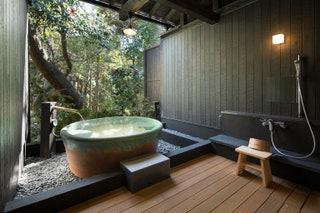
Hakone YuryoArrow
This expansive onsen features hot spring baths with forest views in an especially serene environment. It's easy to spend hours relaxing in the different baths, sauna, and nap rooms. Everything is clean and calm. To really get into the experience, book a 20-minute back or foot rub, or a 60-minute full body massage with oil. If you're hungry, the restaurant specializes in charcoal cooking that ranges from bar snacks like grilled ayu (freshwater fish) to multi-course meals. You can also get a soft-serve or juice from the take-out window and have it in the garden, or an aperitif.
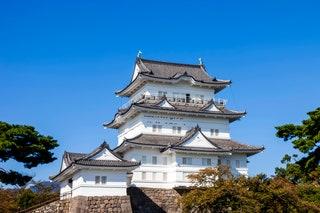
Odawara CastleArrow
Often overlooked by Hakone weekenders, Odawara Castle marks the stronghold of one of Japan's most important feudal clans. It's well worth a look before you ride the tram up the mountain and explore the region's little hamlets. The best thing here has to be reserved in advance: the Fuma Ninja training program that allows guests to better understand what exactly ninjas were during samurai times. It's not as hokey as you think; you'll even get to, uh, sharpen those knife-throwing skills.
Hotel Indigo Hakone GoraArrow
$$
Hotel Indigo Hakone Gora, Japan's first "anti-ryokan," is an upbeat hangout for international travelers and in-the-know weekenders from Tokyo and Kyoto who want to sip designer lattes, listen to DJs, and take a dip in a swimming pool filled with warm, mineral-y onsen water. Rooms are thoroughly Western in style, which might come as a surprise for travelers in search of tatami, but you'll get your very own wooden soaking tub filled with onsen water.
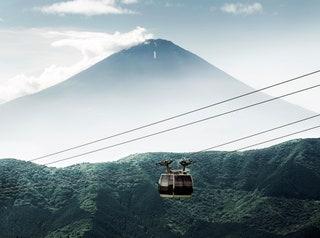
Hakone RopewayArrow
The ropeway is part ride, part transportation, part scenic overlook. If you want to see Hakone's mountain towns and Lake Ashi in one day, this is a fun way to do it. It takes you from Souzan Station (just above Gora), over the Owakudani crater (where you can hop off to eat a black onsen egg), to Togendai Station on the shore of lake Ashi. Hope for clear weather so you can see Mount Fuji.
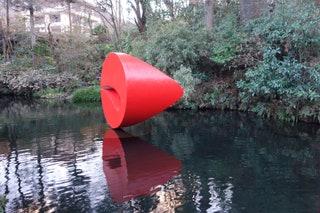
Hakone Open-Air MuseumArrow
This mountainside sculpture park is a popular outing for families with children: this is as much a park as a museum. A path through lawns, wooded areas, and gardens meanders past large-scale sculptures by famous Japanese and Western artists (a lot of Henry Moore). The most interesting things in an indoor Picasso gallery are his ink drawings of bulls. Check the schedule for special events, like night-time light displays, and temporary exhibitions from the likes of Yayoi Kusama. You can walk the park in about 90 minutes, but you may want more time to picnic, play, and rest at the hot spring-fed foot bath.
The FujiyaArrow
$$
This restaurant inside the grand Fujiya Hotel serves all the classics impeccably, but the Japanese curry lunch is the thing to get. Crab, scallops, shrimp, and squid are perfectly cooked in the seafood curry for which they're known, but beef is a better match for the spicy-sweet roux-thickened sauce. They'll bring you an assortment of six pickles and condiments to add as you like. The curry (which came to Japan by way of British troops) is served in a silver gravy boat with rice on a large white plate with a fork. There is excellent local beer on offer, and service skews formal. The white-tablecloth dining room is a sight to see: Ornate carved woodwork, and hand-painted wildflowers and birds, decorate the ceiling. Dramatic windows on three sides frame the mountainside foliage.
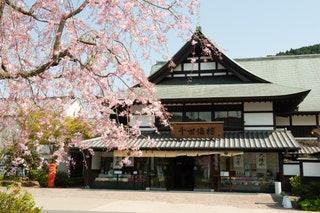
Suzuhiro Kamaboko VillageArrow
$
This casual spot is an ideal place for trying Hakone's own award-winning craft beer. Hakone Beer is a branch of the family-owned Suzuhiro kamaboko (fish cake) company, and they serve kamaboko takoyaki here. They have an ale, a pilsner, and a rotating seasonal beer on tap. The beer is great, the kamaboko is the ideal foil, and you can do some gift shopping here, too.
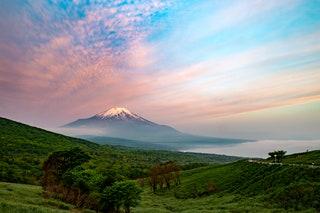
FUJI FIVE LAKES
You might think that the most beautiful place in a country is a reward only for the intrepid, but in Japan, travelers will be delighted to discover that the necklace of lakes that wrap around the neck of Mount Fuji are a cinch to reach from central Tokyo. While trips to the summit of the great and sacred mountain are possible in warmer weather (you’ll need a couple of days to pull it off), we prefer holing up around Lake Yamanaka or Lake Kawaguchi and enjoying the views. It’s like the Eiffel Tower—you can’t see it if you climb it.
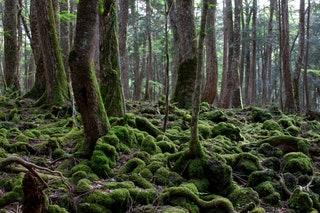
Aokigahara National ForestArrow
Cloaking the far side of Mount Fuji's base, Aokigahara National Forest is a haven for hikers hoping to spot wildlife like birds and deer. Once marred by an unfortunate influencer who sensationalized its "suicide forest" moniker, the treed reserve is more famous locally for its interesting system of caves, which are visitable with local guides. Adventurous types who love nature will be attracted to this pitstop—expect to devote two hours minimum.
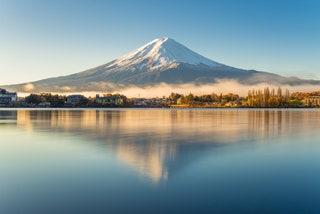
Lake KawaguchiArrow
Of the five lakes of Fuji, Lake Kawaguchi is the winner, with a one-two punch of amazing Fuji views and one of Japan's best museums. Check into the Hoshinoya Fuji, and make sure to check out the Itchiku Kubota Kimono Museum, which dazzles even the biggest museum skeptics with its incredible kimono collection. You're likely to be surrounded by well-traveled vacationers; signs are plentiful and cater to international visitors.
Houtou Fudou Higashi KoijiArrow
$$
A strange geomorphic shape that disrupts the wooden architecture of the countryside, Houtou Fudou Higashi Koiji is a favorite noodle stop for tourists and locals. You'll find the traditional udon and inari just as compelling well as the elaborate Setouchi Art Island–esque design. Slurp special, ribbon-like noodles with ladle-sized spoons. There's no messing around at this joint; they want you properly refueled before your next hike in the surrounding woods.
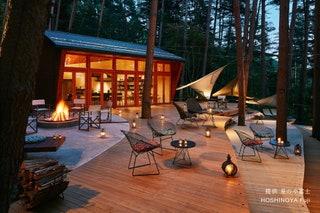
Hoshinoya FujiArrow
$$$
While Hoshinoya Fuji bills itself as a glamping experience, more particular types will be relieved to discover that although there's plenty of forest bathing to be had, rooms are decidedly indoors. Make sure you angle for a room with an unobstructed view of Mount Fuji and we guarantee you'll never leave your balcony; even in winter, you can light a small fire to keep warm as you enjoy how the setting sun changes the shape of Japan's most hallowed mountain.
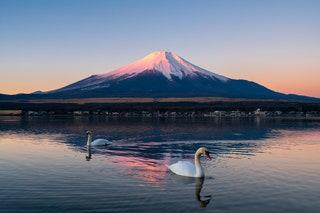
Lake YamanakaArrow
Rent bicycles and curl your way around Lake Yamanaka, stopping every so often to gaze up at Mount Fuji towering overhead; just when you think you've found its best angle, there's another spot that's even better just ahead. The area really comes to life when the seasons turn, when bright blooms and leaves decorate the surrounding trees. Although perched high in the mountains, the ground encircling the lake is very flat, making it easy to navigate on foot or by bike.
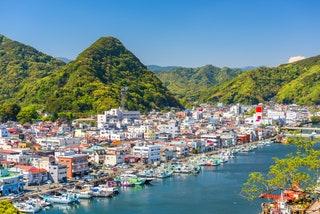
IZU PENINSULA
This peninsula, drooping below the Bay of Tokyo, was once a hotspot for Tokyoites before international air travel made Hawaii a more appealing beach option. But in recent years the area has become a popular choice for weekending locals who spread their towels along the sands of Shimoda or wander the adorable villages, like Shuzenji. International travelers aren’t hip to the destination yet, as it’s just a little further than the classics (Hakone and Kamakura), but the extra minutes on the train will be worth it if you’re jonesing to be the only other international traveler in the vicinity.
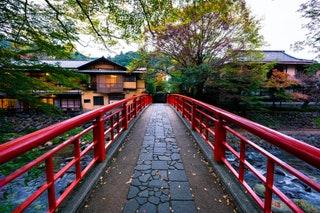
Shuzenji OnsenArrow
A cuter, quainter township in Japan we cannot think of: Shuzenji is like stepping back 50 years to when soda fountains and penny arcades kept kids busy when school was over. The best part? A hot stream of mineral water runs right through the center of town, and there are designated areas were you can dip your weary feet while relaxing with locals. Flat streets and slow traffic make it easy for every type of visitor.
OnidaikoArrow
$$
At Onidaiko, you can dine inside an old house that was moved beam by beam from Fukui prefecture. The specialty here is Hokkaido soba made with silky strands of buckwheat noodles and a special regional kelp from Japan's northerly island. Servers feel as old as the historical house, but everything rolls out perfectly, making the restaurant a great choice for a lunch if you happen to be in town.
ShimodaArrow
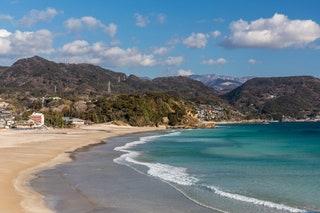
The region of Shimoda, at the very bottom of the Izu peninsula, has dozens of beaches between miles of volcanically carved shores of rocks and caves. It's a popular weekend spot for Tokyoites, but international travelers don't yet know the drill, thinking Japan's only beaches are down in Okinawa. They're not the world's best, but they offer a great break from the usual tourist circuit of temples and towers between Tokyo and Kyoto, and chances are you won't find another gaijin—foreigner—for miles.
Asaba RyokanArrow
$$$
In the heart of Shuzenji lies a little enclave founded over 500 years ago—originally monks dwelt here, and then a rich tradition of Noh theater developed. Today Asaba Ryokan's grounds surrounding a private pond keep the tradition of Noh alive with regular performances for guests, as well as some of the finest ryokan hospitality this side of Tokyo. Almost all of the rooms come with handwoven tatami flooring; after dinner, your plush futon is unfurled on the floor for a most restful sleep.
Fuji International SpeedwayArrow
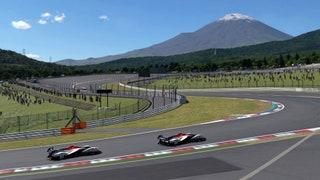
Fuji International Speedway is like Indy 500—if it were transplanted outside Tokyo. The country's premiere racing venue is home to feverish fandom and some of the best international racing competitions in the world. The speedway is only a must for car enthusiasts. For a small fee you can drive the track when races aren't going on, but the go-karts just down the road are a fun must-try for anyone, including families.
The Hiramatsu Hotels & Resorts AtamiArrow
$$$
The town of Atami brings Japan's love of hot springs right to the coast. Imagine sitting in the soothing mineral waters of your own private tub while gazing upon the sea, and you've imagined your stay at Hiramatsu Atami. The architectural details, inspired by a traditional Japanese house, are stacked with enough elevation that you can stare out at the ocean from your suite. There are only 13 rooms, which means plenty of personal care.