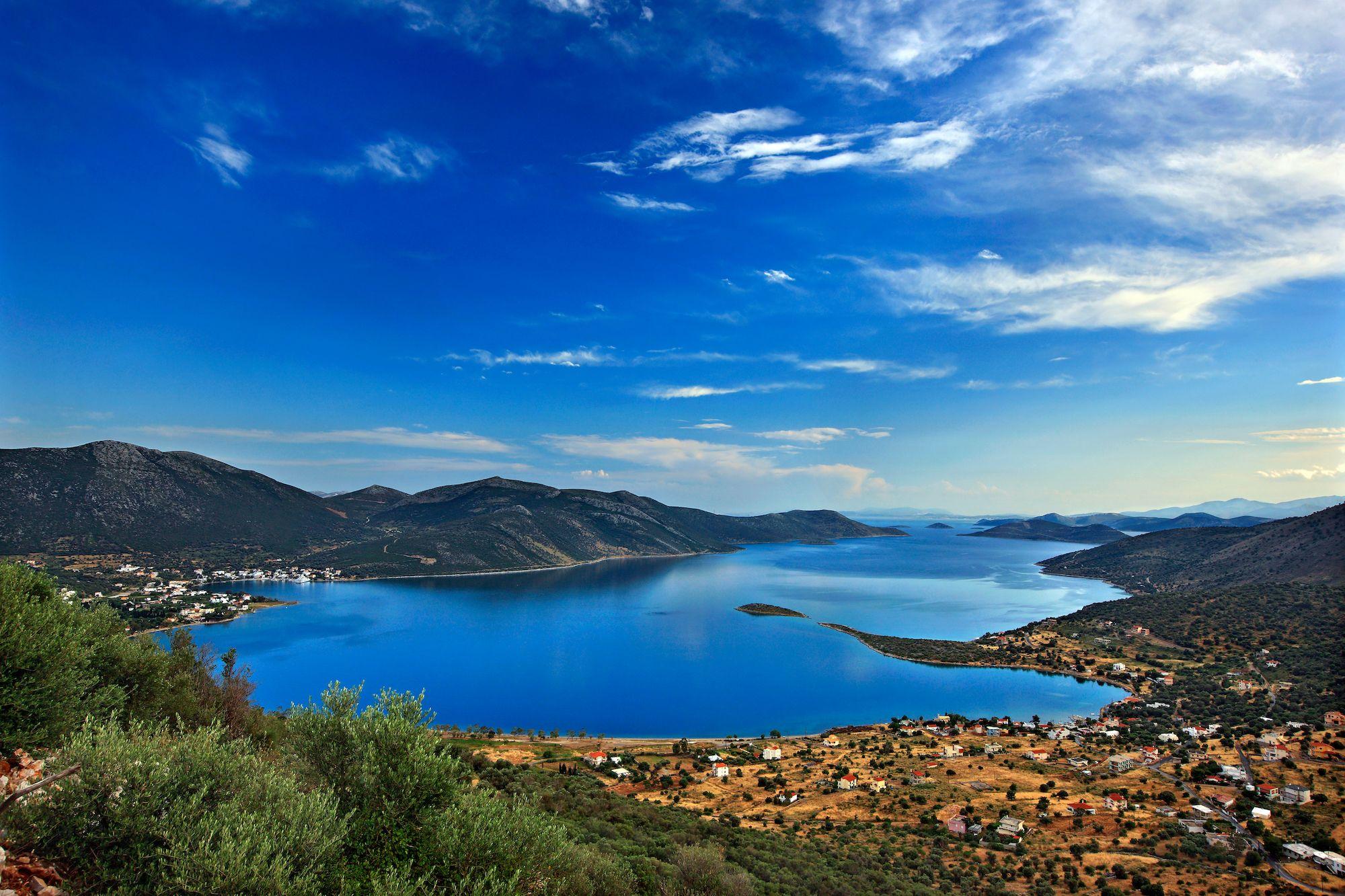
The most important thing in a trek in Patagonia is to be prepared for the natural elements. "I thought it would be hot" is a phrase that has been echoed for decades among the majestic granite spires of Torres del Paine.
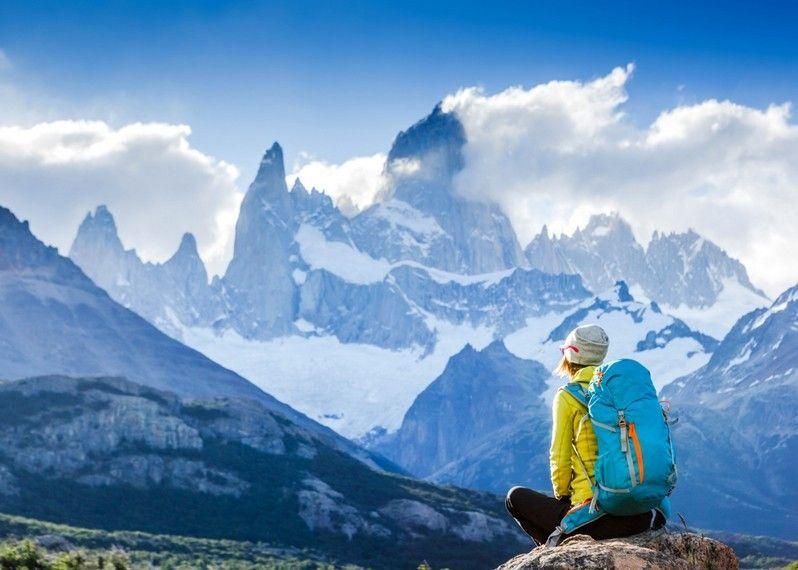
A hiker enjoys the spectacle of Mount Fitz Roy, Patagonia, Argentina. ©Olga Danylenko/Shutterstock
Although the months between December and February are considered summer in the southern hemisphere, taking this information literally is a mistake. You will be at the end of the world, where raging winds and sleet can appear at any time. To make the most of your time among these unrivalled landscapes you had better bring the right equipment.
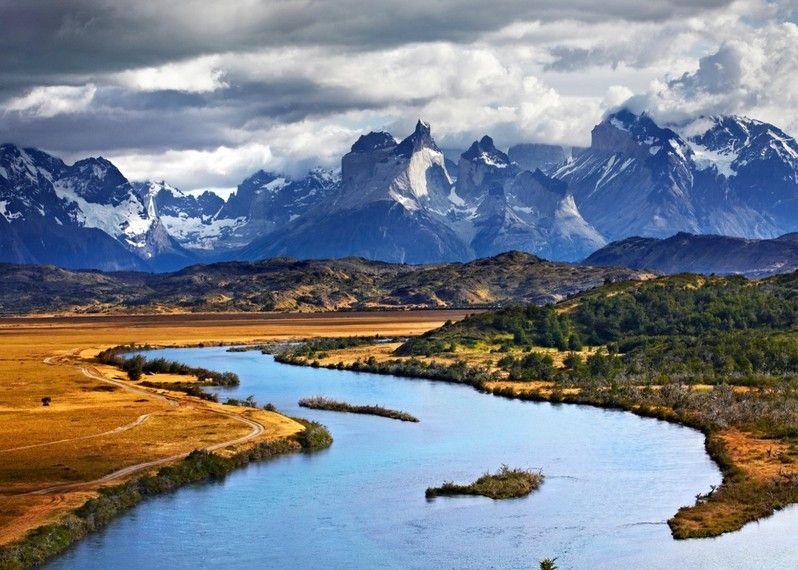
View of the Paine River and the snow-capped mountains of the Paine massif, Patagonia, Chile. ©Matt Munro/Lonely Planet
Warm and comfortable
Patagonia's climate is influenced by both Antarctica and the Patagonian Southern Ice Field (a huge mass of ice, larger even than California's Death Valley). To manage this influence, you will have to pay attention to detail: it is the little things that will make the difference.
The best investment you can make will be warm, comfortable wool socks: warm feet are feet that will take you on long walks, marking the difference between miles of priceless wonder. A few extra pairs will be a godsend when you find yourself on the trail with no chance to do laundry for days.
Avoid short trousers: thorny bushes are plentiful and will flay your legs even on days when icy gusts of wind give you respite. Bring thermal material for both upper and lower body, light gloves, a hat, insulating layers (e.g. wool), rain gear and a padded jacket for the cold nights.
But beware, cold weather does not exempt you from possible eye or skin problems. Sunglasses with a lanyard to fasten them around your neck and water-resistant sunscreen will be essential to protect you from the sun, also because the hole in the ozone layer is located right over Patagonia and Antarctica, leaving you vulnerable and unprotected.
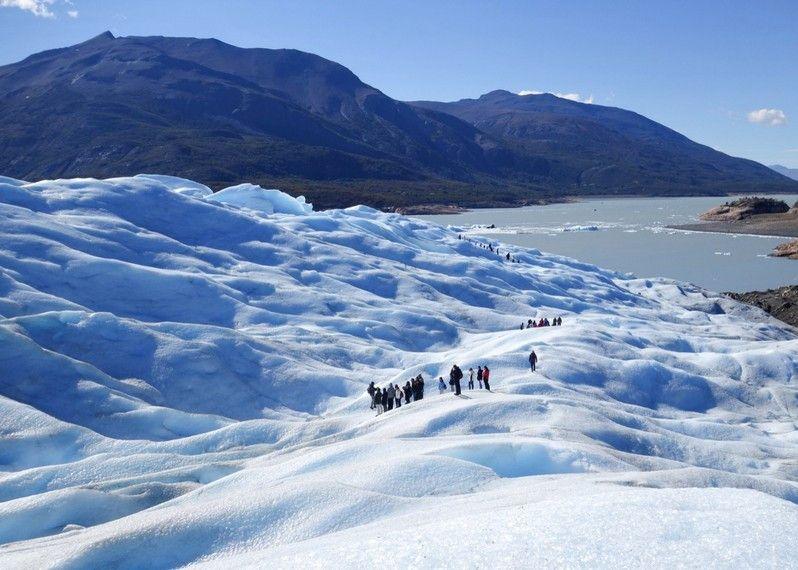
Hikers on the Perito Moreno glacier, Patagonia Argentina. ©padchas/Getty Images
The right shoes
You can probably get by with sneakers for a few days. But sturdy rain boots will come in handy when crossing streams, snowy passes and puddle-strewn roads. Speaking of streams, if you wear sandals, check that the soles are sturdy enough for river stones.
Gore-tex gaiters will come in handy, not only because they will keep your feet dry, but also because they will prevent your trousers and boots from getting covered in mud. Simply rinse them in the evening in a stream and let them dry overnight.
The last accessory for your outfit: hiking poles. The foldable ones are easy to pack and will prove important to protect your knees when descending, to give you more stability when crossing rivers and to anchor you to the ground when the famous Patagonian wind starts blowing.
Preparing for a tour from hut to hut
Although the authentic heart of Patagonia is all wilderness, there are some routes that go from refuge to refuge. The Torres del Paine National Park in Chile and the Nahuel Huapi National Park in Argentina offer traditional hikes dotted with refuges, which means less weight to carry on your back. In fact, you won't need to bring a tent and, in Torres del Paine, not even a sleeping bag, as both Fantastico Sur (fantasticosur.com) and Vertices (verticepatagonia.com) in Torres del Paine offer the option of sleeping with sheets and blankets. Be sure to book well in advance, however.
In addition to trekking equipment. Also invest in an extra backpack. Make sure you have enough space for a water bag, extra clothes, a blister kit and food. Backpack cover? Forget it: the wind is likely to carry it away. However, protect the contents of your rucksack from the rain by storing it in plastic bags. The backpack may even be enough if you are trekking around Fitzroy in Argentina, as most of the trails start from the village of El Chalten.
Solar-powered batteries can keep your phone and camera alive, but bring an extra battery just in case. Head torches are very useful in the wilderness, on night trains and in hotels without bedside lamps.
Subscribe to our newsletter! For you weekly travel tips, special offers, stories from the world and 30% discount on your first order.
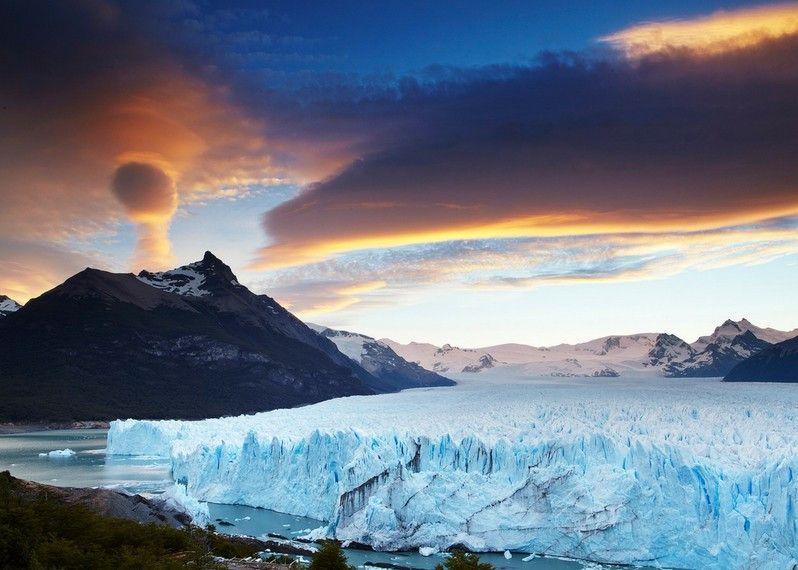
Perito Moreno at sunset, Patagonia, Argentina. ©Matt Munro/Lonely Planet
Wild camping
Going on backpacking adventures requires a delicate balance: you have to carry enough to be comfortable but not too much that might impede the walk. The only way to solve this is to go for the essentials. Choose a backpack that is comfortable and roomy. Try it full of everything you need and decide what you can do without. This is usually an extra change of clothes. It is usually good to have one set of walking clothes and one set of camp clothes: it is good to get into something dry and relatively clean at the end of the day.
It is also useful to prepare your rucksack a week in advance and try it out on the trail. Usually on the return most people try to rearrange it to get rid of something else. And consider buying a lightweight duffel bag to put the backpack in so that it doesn't get dirty during bus journeys and to avoid straps getting caught everywhere.
Restrictions to consider before travelling
In Chile, plastic bags have been banned in both Punta Arenas and Puerto Natales. So bring fabric shopping bags to go to the market, you can also use them to organise your belongings. The same goes for water bottles and thermos flasks.
Blades are banned on planes so remember that the Swiss Army knife that will be your best defence against a wheel of cheese will have to go in your checked luggage. Also, some airlines will not let you fly with camping cookers, so check before you buy your ticket. Lighters and cooker refills cannot be brought on board at all, but you will find them at regional bases such as Punta Arenas, El Chalten or Bariloche.
At customs, even some snacks can cause problems. Chile has strict rules on food imports to protect the country's important agricultural production. Fruits (including dried fruits), dairy products and foreign meats are therefore prohibited. Most of these things can be bought in shops in the main towns once you arrive, while smaller villages offer a smaller selection of products. You can stock up on dried fruit and nuts at Tostadurias. Energy bars and supplements may be harder to find, so bring your own supplies, but remember to declare them to customs.
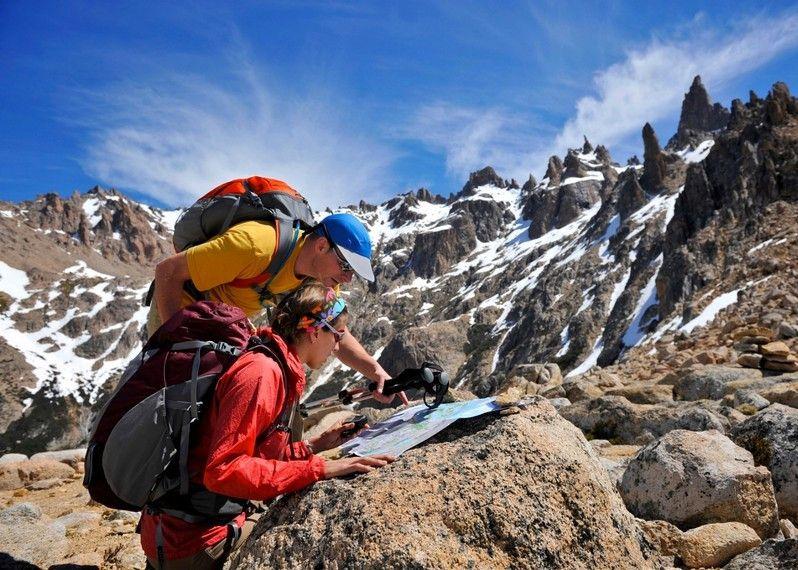
Maps are one of those things worth finding space for in your backpack. Patagonia, Argentina. ©HagePhoto/Getty Images/Aurora Open
Maps and navigation systems
It is now quite difficult to get lost, but if you use an app with GPS, make sure you leave having already downloaded the maps. Don't rely on your phone in an emergency: there is no coverage in most rural areas of Patagonia. It doesn't hurt to take quality topographic maps with you as well, which you will find in all the main towns.
The inevitable: the tape
Even the best equipment is no match for preparation and adaptability. And duct tape. Carry a roll of it stuck in your trekking pole and half your problems are already solved.